Removing Stubborn Stains with Salt: Step-by-step Techniques
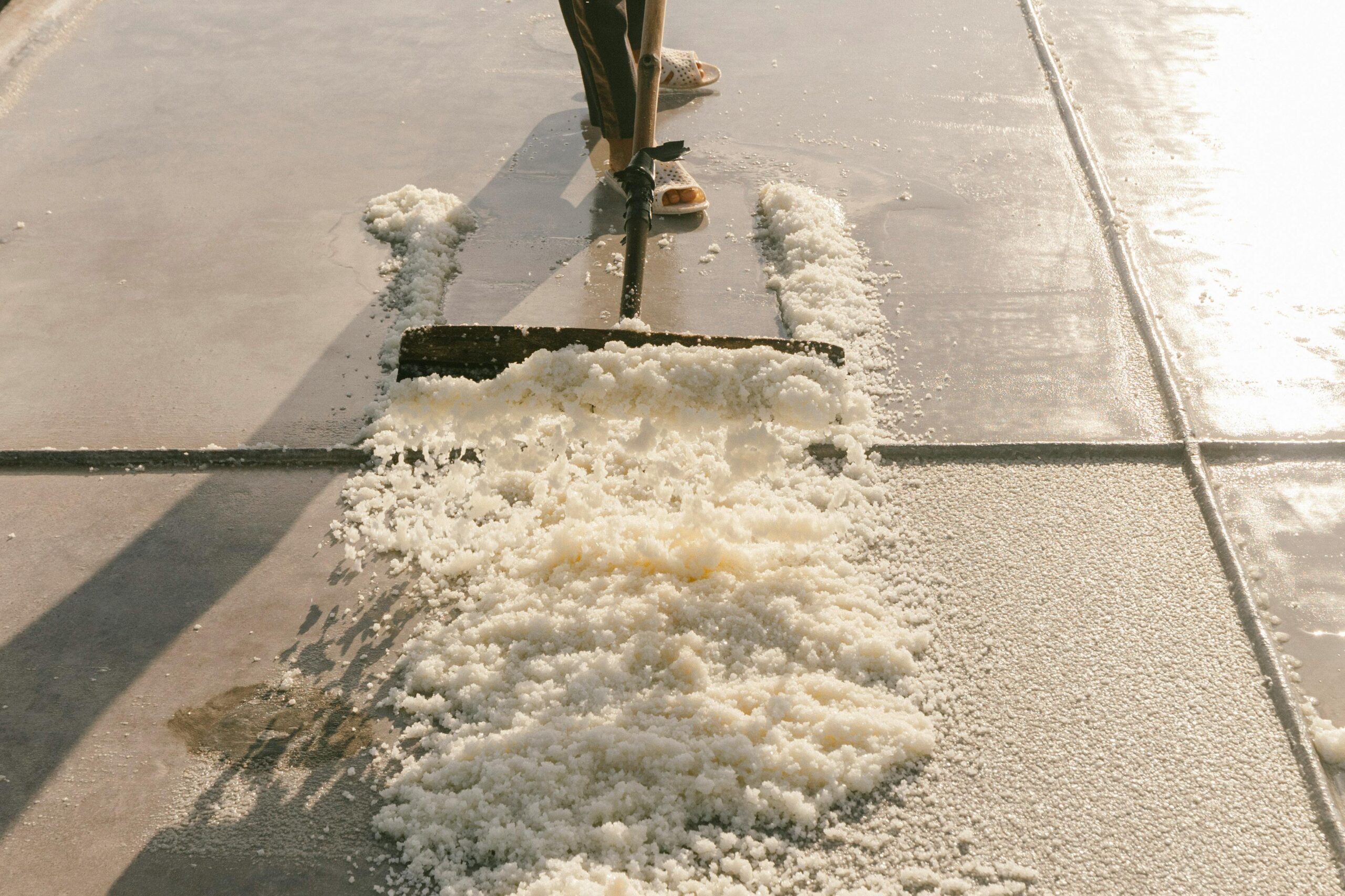
Salt is one of the oldest and safest household cleaners for lifting fresh and dried stains. It works by absorbing liquids, breaking up residues, and providing gentle abrasive action. In this guide you’ll find practical, step-by-step techniques for using ordinary table salt to treat wine, grease, and blood stains on fabrics and many hard surfaces. Always test any method on an inconspicuous area first and follow fabric care labels.
General safety and preparation
- Act quickly: the sooner you treat a stain, the easier it is to remove.
- Blot, don’t rub: blotting lifts liquid without pushing it deeper into fibers.
- Cold vs. hot water: for blood, always use cold water — hot water can set protein stains. For grease, warm water helps dissolve oils after salt has lifted them.
- Test first: try salt on a hidden seam or hem to make sure it won’t discolor or damage the fabric.
- Avoid heat until the stain is gone: don’t put stained garments into the dryer until you’re confident the stain is removed.
Removing red wine stains from fabric
- Blot up as much wine as possible with a clean cloth or paper towel.
- Generously sprinkle table salt over the stain to cover it. Salt will begin to absorb the wine; you should see the salt turning pink as it soaks up pigment.
- Leave the salt in place for at least 10–15 minutes for fresh stains; for older stains, let it sit longer or repeat the process.
- Gently brush or shake off the salt, then flush the area with cold water from the back of the fabric to push wine out of the fibers.
- For persistent color, apply a paste of equal parts salt and cold water, let sit 5–10 minutes, then rinse. Follow with regular laundering as directed by the garment label.
Removing grease and oil stains
- Blot off excess grease with paper towels — don’t rub.
- Cover the stain with a thick layer of salt or a mix of salt and baking soda. These powders absorb oil from the surface.
- Let sit for 30–60 minutes; for heavy stains you can leave it a few hours or overnight.
- Brush or vacuum away the salt. Apply a small amount of liquid dish soap (which cuts grease) and gently work it into the stain with your fingers or a soft brush.
- Rinse with warm water and launder as usual. If the stain remains, repeat absorption with salt before attempting stronger solvent-based cleaners.
Removing blood stains
- Rinse the stained area with cold water immediately; blot rather than rub.
- Sprinkle salt over the stain and gently massage it in. Salt draws out moisture and can help lift dried blood.
- Soak the garment in cold saltwater (about 1–2 tablespoons salt per liter of water) for 30 minutes to several hours depending on the stain’s age.
- For stubborn or dried blood, apply cold water + a little salt and then dab with hydrogen peroxide (3%) on a small spot test first — peroxide can bleach some dyes. If safe, let peroxide fizz and then rinse thoroughly with cold water.
- Once the stain is reduced, launder in cold water. Do not use hot water or the dryer until the stain is gone.
Using salt on upholstery, carpets, and hard surfaces
For carpets and upholstery, sprinkle salt, let absorb, then vacuum. For a deeper lift, mix salt with a little cold water to make a slurry, blot the stain with the slurry, then rinse with clean water and blot dry. For hard surfaces (stainless steel, ceramic), salt can be used as a gentle abrasive mixed with a mild liquid soap. Avoid using salt + acidic liquids (like lemon or vinegar) on natural stone (marble, limestone) — these can etch the surface.
Troubleshooting and final tips
- Persistent or valuable items: consult a professional cleaner for antique, silk, or specialty garments.
- Stain set by heat: once a stain has been through the dryer or ironed, it may be permanently set and harder to remove.
- Combine carefully: salt works best as an absorber. Pair with dish soap for grease, cold water or peroxide for blood, and plain cold water or enzyme detergents as required.
- Repeat if needed: several short treatments are often gentler and more effective than aggressive single attempts.
Salt is inexpensive, widely available, and surprisingly versatile. With quick action, patience, and the right complementary cleaners, you can tackle many common stains safely at home. When in doubt, test first and consider professional treatment for delicate or valuable items.
4 thoughts on “Removing Stubborn Stains with Salt: Step-by-step Techniques”
Leave a Reply to Priya Cancel reply
Related Post

All-Purpose Salt Cleaner Recipe
All-Purpose Salt Cleaner Recipe Looking for a simple, effective, and natural cleaner that uses common [...]
Deodorizing with Salt: Neutralize Odors in Carpets, Fridges, Shoes & Cutting Boards
Salt is more than a seasoning — it’s an affordable, natural deodorizer and mild abrasive [...]



Helpful steps. One tip: for carpets I followed the salt with a little club soda before blotting, and that helped get the color up without scrubbing.
Great guide — I used the salt trick on an old red wine stain and it lifted much better than I expected. Thanks for the peroxide caution on colored fabrics!
Would love a follow-up post about removing ink stains with household items. Salt didn’t do much for that one!
Worked well on a greasy kitchen towel. I left the salt overnight and then washed with hot water (only after the fat was mostly gone) and soap.