All-Purpose Salt Cleaner Recipe

All-Purpose Salt Cleaner Recipe
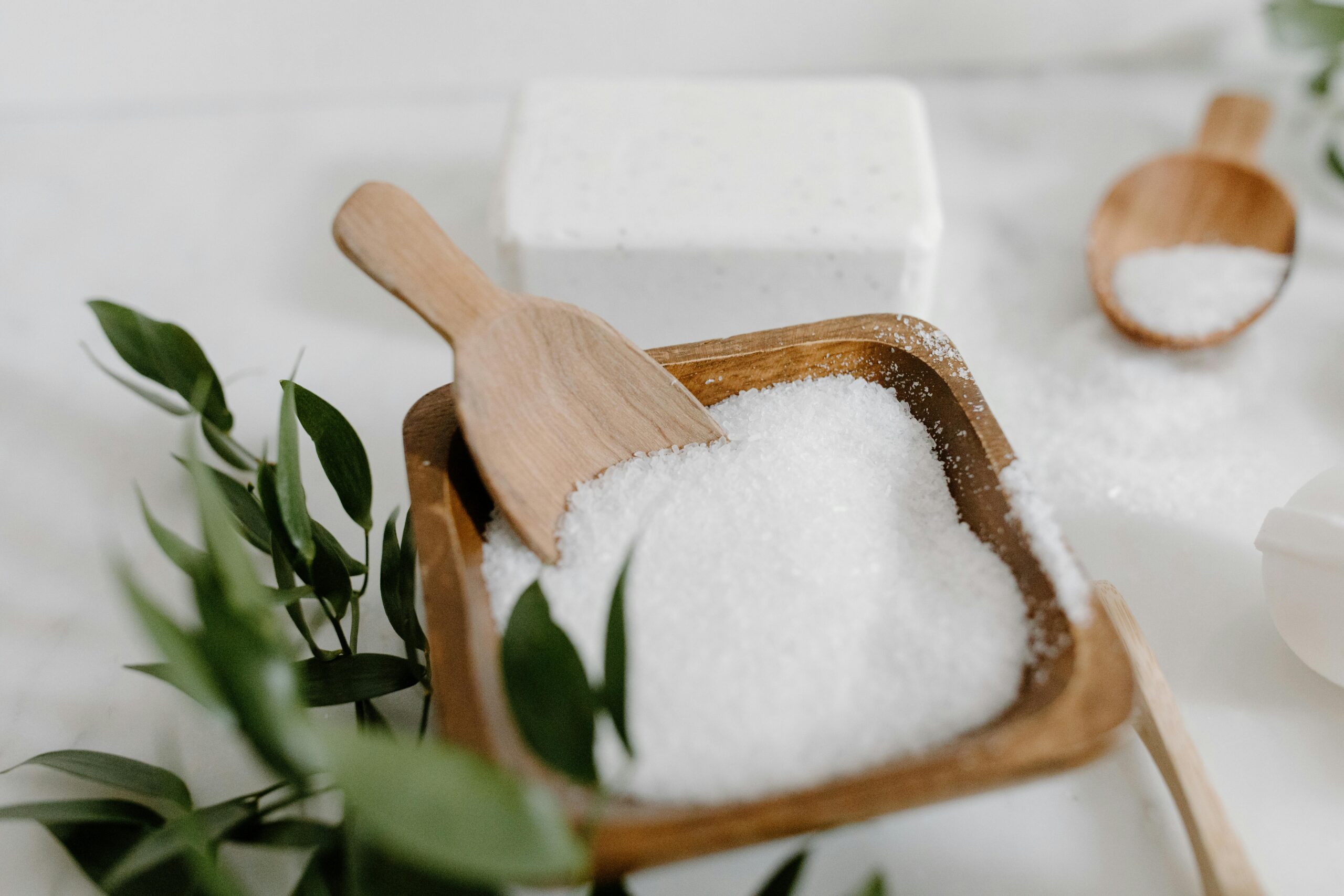
Looking for a simple, effective, and natural cleaner that uses common household ingredients? This all-purpose salt cleaner uses plain table salt, water, and an optional squeeze of citrus to cut grease, lift grime, and refresh surfaces without commercial chemical cleaners. It’s ideal for light kitchen messes, stovetops, sinks, and other hard surfaces where a mild abrasive boost helps remove stuck-on food and stains.

Why salt works
Table salt acts as a gentle abrasive and helps break down dried residues physically rather than chemically. When combined with water it forms a scrubbing paste that can dislodge grease and baked-on food. Adding fresh citrus juice (lemon or orange) boosts cleaning power by introducing natural acidity and a pleasant scent, which helps cut grease and dissolve some mineral residues.
Ingredients
- 2 tablespoons table salt
- 2–3 tablespoons warm water (adjust to make a spreadable paste)
- Optional: 1 teaspoon fresh lemon or orange juice for degreasing and scent
- Optional: a few drops of liquid dish soap for tougher grease (use sparingly)
Tools
- Small bowl
- Soft cloth or sponge
- Old toothbrush or soft-bristled brush for crevices
- Paper towels or clean dry cloth for wiping
Step-by-step instructions
- Measure 2 tablespoons of table salt into a small bowl.
- Add 2 tablespoons of warm water and stir to form a paste. Add a little more water if it’s too thick, or more salt if too runny — you want a spreadable, slightly gritty paste.
- If using citrus, add 1 teaspoon of freshly squeezed lemon or orange juice and mix. If adding dish soap, add 1–2 drops and mix gently.
- Apply the paste to the area to be cleaned with a cloth or sponge. For tight spots or grout lines, use an old toothbrush.
- Rub gently with a circular motion. The salt provides mild abrasion to lift dirt without harsh scratching on many surfaces.
- Rinse the cleaned area with warm water and dry with a clean cloth to remove any residual salt.
Where it works best
- Stovetops and oven racks (avoid high-finish stainless where abrasion can dull the finish)
- Sinks and drains (helps lift grime; follow with plenty of water)
- Cast-iron cookware for removing stuck-on food — but re-season after cleaning
- Kitchen counters made of laminate, tile, or sealed surfaces
- Scuffed ceramic and some bathroom fixtures
Surfaces to avoid
Do not use abrasive salt paste on delicate or easily scratched surfaces such as polished or high-gloss stainless steel, soft natural stone like marble or limestone, unsealed wood, antique finishes, or painted surfaces that can be abraded. Always test on an inconspicuous area first.
Storage and shelf life
Because this cleaner is a simple paste with water, prepare small amounts as needed. If you make a batch, store it in a sealed container in the refrigerator and use within 2–3 days. Stir before use; discard if it smells off or becomes discolored.
Safety and tips
- Wear gloves if you have sensitive skin or are using citrus regularly, as prolonged citrus exposure can be irritating to some skin types.
- Rinse thoroughly after cleaning to remove granular residues that might remain on the surface.
- Use minimal force when scrubbing — the combination of salt and rubbing action is usually enough.
- For heavy grease, follow up with a conventional degreaser or a few drops of dish soap in warm water.
Variations
You can tweak the basic recipe depending on the task: increase salt slightly for tougher mechanical scrubbing (but be cautious on finishes), or omit citrus for surfaces sensitive to acidity. A tiny amount of baking soda blended in can add gentle whitening power for grout or porcelain; test first.
Final thoughts
This all-purpose salt cleaner is a quick, low-cost, and eco-friendly option for light to moderate cleaning tasks. It won’t replace specialized cleaners for disinfecting or heavy-duty degreasing, but it’s a handy formula to have for everyday spills, baked-on grime, and quick freshening using ingredients you probably already have on the shelf.
Have a favorite natural cleaning mix? Try this basic salt paste and adapt it to your routine — and remember to test it where needed before full use.
3 thoughts on “All-Purpose Salt Cleaner Recipe”
Deja una respuesta
Related Post
Salt and Vinegar: A Natural Combo – Recipes and Precautions
Salt and vinegar (or lemon juice) is a time-tested natural pairing for many household cleaning [...]
Deodorizing with Salt: Neutralize Odors in Carpets, Fridges, Shoes & Cutting Boards
Salt is more than a seasoning — it’s an affordable, natural deodorizer and mild abrasive [...]



Worked great on my ceramic sink. I made a tiny batch each time and used lemon juice for the fresh smell. Thanks for the clear instructions.
Good recipe. I added a splash of dish soap for real grease and it worked well. Be careful with polished stainless — I saw slight dulling until I buffed it out.
Tried this on my stovetop — lifted the burnt-on bits nicely. Tested on a small corner first as suggested. Saved me a lot of elbow grease!