Salt and Vinegar: A Natural Combo – Recipes and Precautions

Salt and vinegar (or lemon juice) is a time-tested natural pairing for many household cleaning tasks. This post covers practical recipes, how to use them safely on drains, tiles, grout, and general surfaces, and the precautions you should take to avoid damage or harmful reactions. These remedies are eco-friendly, inexpensive, and effective when used correctly.
Why this combo works
Vinegar is mildly acidic (acetic acid) which helps dissolve mineral deposits, soap scum, and some organic residues. Salt acts as a mechanical abrasive to help scrub away grime and can help dislodge debris in drains. Lemon juice is another acidic option and adds a fresh scent plus natural citric acid for extra degreasing power.
Recipes and uses
- Drain refresh and mild clog loosen: Pour 1/2 cup of coarse salt down the drain, then 1 cup of white vinegar. Let it fizz for 15–30 minutes, then flush with 2–3 cups of boiling water. Repeat weekly for maintenance. For tougher clogs, follow with boiling water carefully or use a plumber’s snake.
- Tile and grout scrub: Make a paste with 2 parts baking soda, 1 part salt, and enough vinegar or lemon juice to form a spreadable paste. Apply to grout lines, let sit 10–15 minutes, then scrub with a stiff brush and rinse. Do a small test patch first on an inconspicuous area.
- General surface cleaner: Mix 1 cup water, 1 cup white vinegar, and 1 tablespoon salt in a spray bottle. Shake to dissolve the salt. Spray on non-porous surfaces like sealed countertops or ceramic tiles, wipe with a microfiber cloth. Do not use on natural stone or unsealed wood.
- Rust spot treatment: Make a paste of salt and lemon juice, apply to small rust spots on metal, let sit 30–60 minutes, then scrub and rinse. Repeat with caution and test first.
Precautions and things to avoid
- Never mix vinegar with bleach: This produces chlorine gas, which is dangerous. Keep them separated and never combine products unless explicitly stated.
- Abrasion risk: Salt is abrasive. Avoid using coarse salt on delicate or easily scratched surfaces like soft metals, polished plastics, and glossy finishes.
- Not for natural stone: Vinegar and lemon juice can etch natural stone (marble, limestone, travertine). Use a pH-neutral cleaner for stone surfaces.
- Wood and sealed finishes: Vinegar can dull or damage some wood finishes over time. Dilute heavily and test on an inconspicuous spot first.
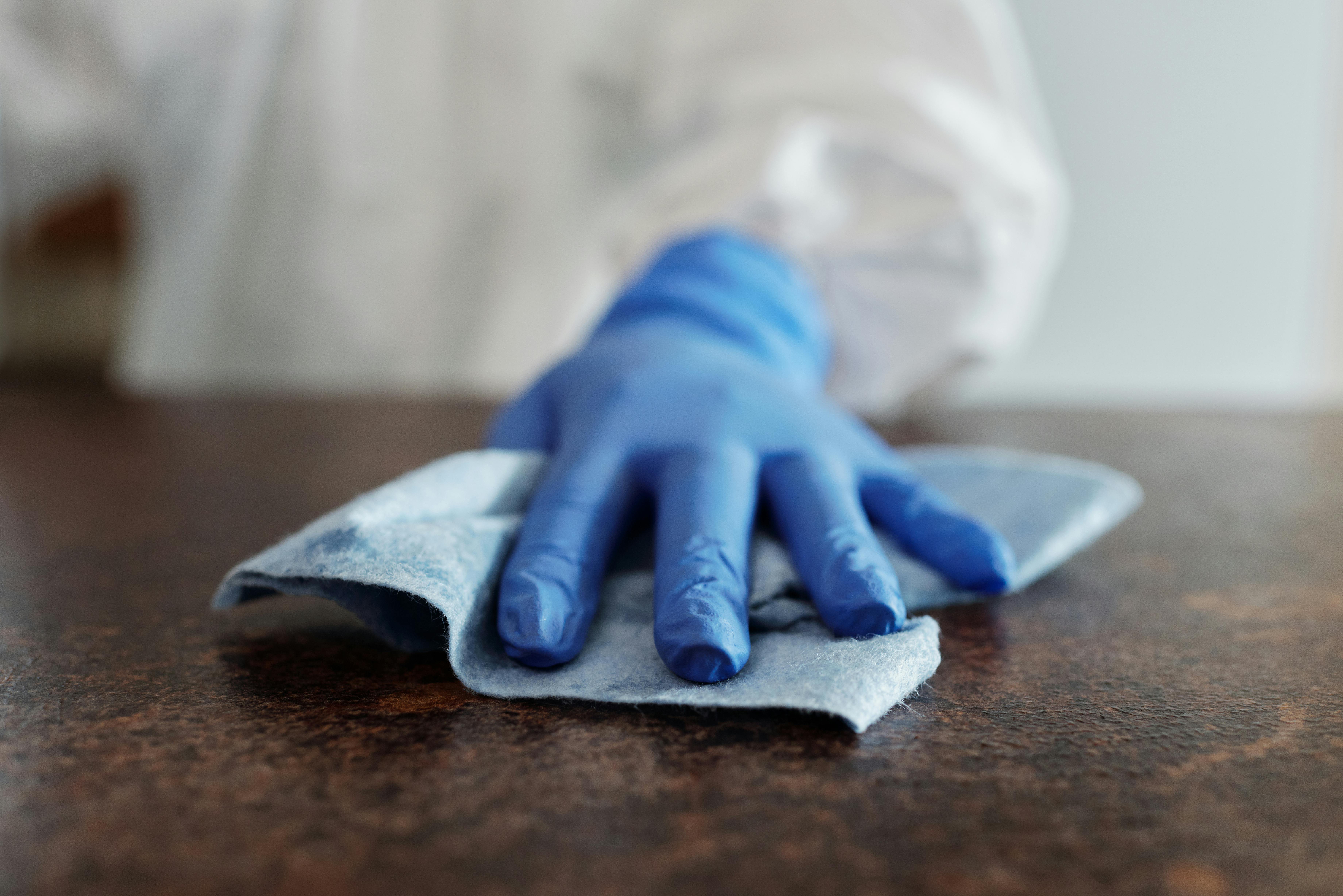
- Ventilation and skin protection: Use gloves when scrubbing and ensure good ventilation. While vinegar is mild, concentrated exposures can irritate skin or eyes.
- Don’t mix with hydrogen peroxide in same container: Using them sequentially is possible for surface disinfection if rinsed between steps, but avoid creating mixtures in one bottle—this can produce reactive mixtures that might be irritating.
- Hot water caution: When flushing drains, pour boiling water slowly and avoid sudden temperature shocks to PVC plumbing joints or glass fixtures which could be damaged.
Practical tips
- Always test a small, hidden area before broad application.
- For persistent odors in drains, add a few drops of essential oil to the final rinse or use lemon juice rather than scented commercial products.
- Store vinegar-based mixes in labeled containers and use within a week; homemade solutions have no preservatives.
- If you encounter a severe clog or unknown chemical residue, consult a professional rather than attempting aggressive home remedies.
In short, salt combined with vinegar or lemon juice is a versatile, low-cost cleaning approach for many household jobs. Used properly and with the precautions above, it can reduce reliance on harsher chemicals while keeping surfaces clean. Always prioritize surface compatibility and safety when trying any new cleaning method.
5 thoughts on “Salt and Vinegar: A Natural Combo – Recipes and Precautions”
Leave a Reply to Daniel P Cancel reply
Related Post

All-Purpose Salt Cleaner Recipe
All-Purpose Salt Cleaner Recipe Looking for a simple, effective, and natural cleaner that uses common [...]
Deodorizing with Salt: Neutralize Odors in Carpets, Fridges, Shoes & Cutting Boards
Salt is more than a seasoning — it’s an affordable, natural deodorizer and mild abrasive [...]



Wouldn’t mix vinegar and bleach — saw that advice elsewhere too. Appreciate the safety notes.
The grout paste worked well after a few applications. Use a stiff brush for best results.
Be careful with vinegar on my marble countertops — learned that the hard way. Good warning in the post.
Can you recommend a brand of white vinegar for cleaning? Does concentration matter?
Tried the drain recipe and it helped clear the slow drain in my kitchen. Thanks for the tip!